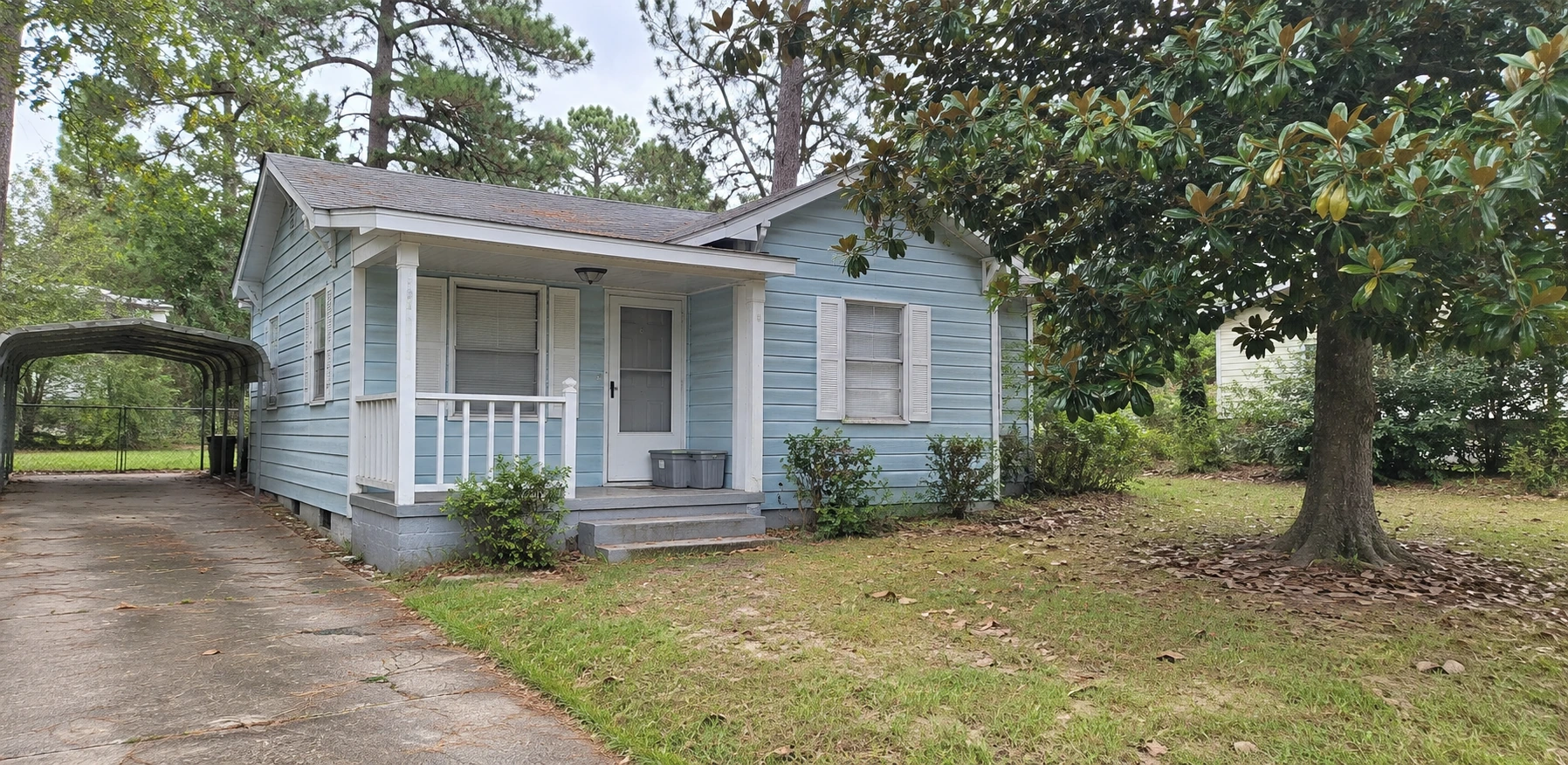
Selling a Second Home in Augusta, GA
A second property can begin as a vacation home, investment, inherited house, former residence, or place reserved for family. When the home is used less often, needs repairs, sits vacant, or costs more to carry than expected, selling may be more practical than continuing to maintain it.
We buy second homes directly in Augusta and throughout the CSRA. Our cash offers are for properties in their current condition, allowing owners to compare a straightforward as-is sale with listing, renting, or continuing to hold the property. There is no obligation to accept an offer.
Identify How the Property Has Been Used
Vacation Home
A seasonal or occasional-use property may have furniture, utilities, association rules, and maintenance needs that affect the sale and handoff.
Rental Property
Leases, deposits, tenant notices, rental records, depreciation, and access requirements should be reviewed before signing a purchase agreement.
Former Primary Home
A house converted to rental or second-home use may have different tax, insurance, maintenance, and occupancy considerations than when the owner lived there.
Inherited or Shared Home
Estate administration, probate, co-owners, heirs, title, and written authority can determine who may sign and how proceeds are handled.
Calculate the True Cost of Keeping a Second House
Fixed Costs
Include mortgage payments, property taxes, insurance, association dues, utilities, security, and required local services.
Maintenance
Budget for lawn care, cleaning, pest control, seasonal checks, ordinary repairs, and replacement of major systems.
Vacancy and Travel
Remote oversight, trips to the property, storm checks, security concerns, and vacancy-related insurance terms can add hidden costs.
Lost Alternatives
Consider whether the equity and monthly carrying costs could support another goal if the property were sold.
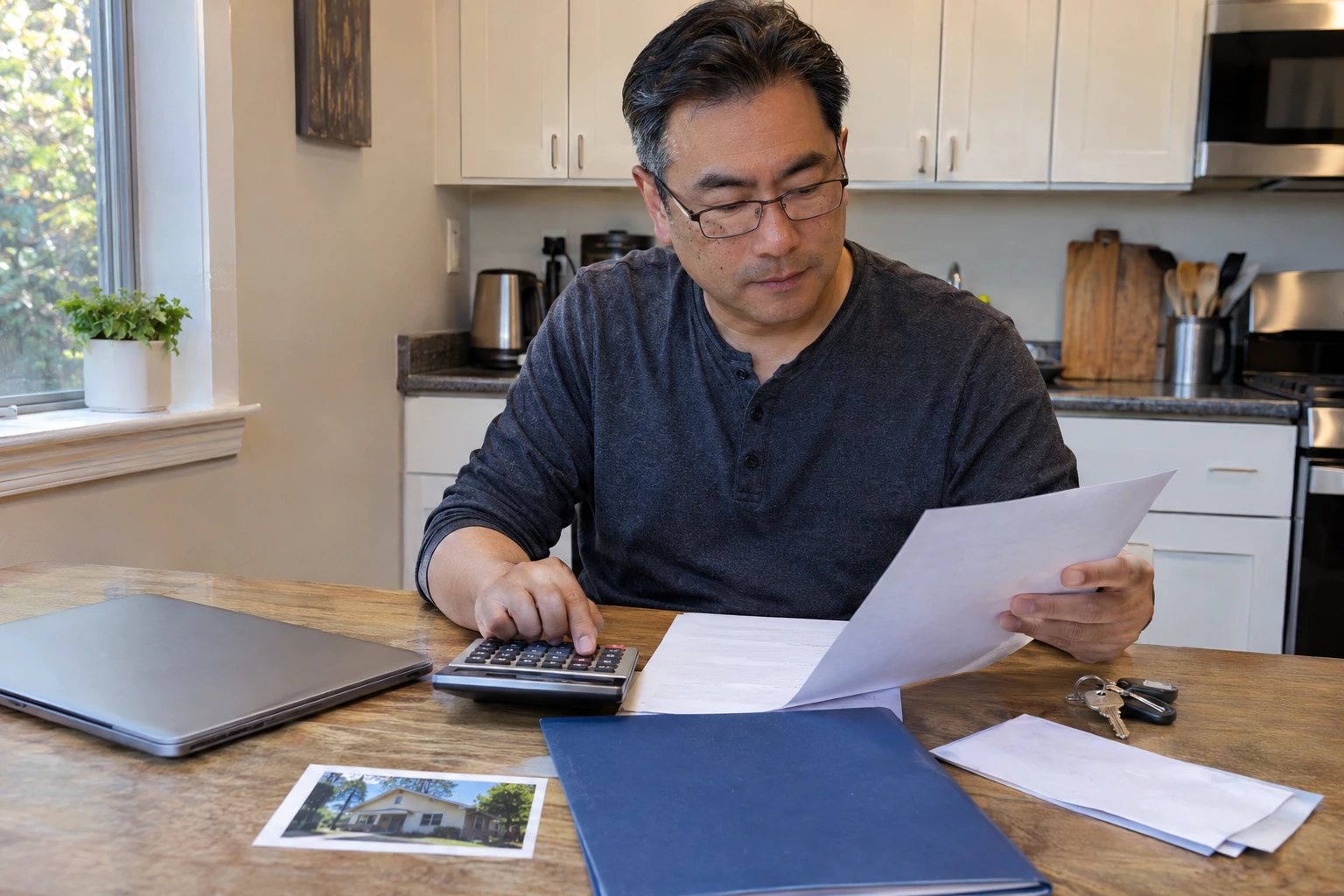
When a Second Home Stops Supporting Your Goals
Review the property over a full year rather than focusing on one expense. A lightly used home can still require taxes, insurance, utilities, repairs, yard care, travel, and emergency attention. A rental can produce income but also creates vacancy, management, maintenance, tenant, and recordkeeping responsibilities.
Compare those costs with the property’s actual use, net rental income, expected appreciation, and the value of releasing the equity. A financial, tax, or investment professional can help evaluate whether holding the property still fits the owner’s larger plan.
If the house is vacant, confirm that the insurer knows its occupancy status. Insurance requirements and coverage can change when a property is vacant, seasonal, rented, or no longer owner-occupied.
Compare Selling, Renting, and Continuing to Hold
Review Tax Questions Before Signing a Contract
The federal home-sale exclusion generally applies to a qualifying main home, not automatically to a second residence. The IRS explains that when a taxpayer owns more than one home, gain can generally be excluded only for the main home, subject to the ownership, use, and other eligibility tests described in Publication 523.
A vacation home is generally treated as a capital asset. A rental or former rental can require adjustments for depreciation and may involve different reporting rules. The IRS discusses sales of rental and business property in Publication 544. Basis, improvements, selling expenses, depreciation, periods of personal use, and the property’s history can all affect the calculation.
We are a home buyer, not a tax advisor. Give the property records and proposed sale figures to a qualified tax professional before closing, especially when the home was rented, inherited, converted from a primary residence, or considered for a like-kind exchange.
Confirm Ownership, Occupancy, Payoffs, and Authority
A current title search identifies record owners and liens that may need to be resolved. Obtain current mortgage payoff figures and share information about association claims, taxes, judgments, solar agreements, or other interests that could affect clear title.
If the property is tenant-occupied, a sale does not automatically erase a valid lease. Provide the lease, deposit records, rent information, notices, and access terms at the beginning. If the property is inherited or jointly owned, the closing professional and appropriate attorney can confirm who must sign and whether probate, estate, trust, or court documents are required.
Sell a Vacant or Remote Second Home As-Is
Owners who live elsewhere may be coordinating lawn care, utilities, inspections, repairs, insurance, and emergency access from a distance. A direct sale can reduce the time spent preparing for repeated showings or managing contractors before closing.
We buy older, outdated, and repair-heavy houses in their current condition. We do not require the owner to complete repairs for us, and we do not charge an agent commission. You can remove the belongings you want and discuss unwanted items during the evaluation.
Remote closing is often possible, but the closing professional should confirm identification, notarization, document delivery, and wire procedures. Independently verify wire instructions through a trusted telephone number before sending financial information or funds.
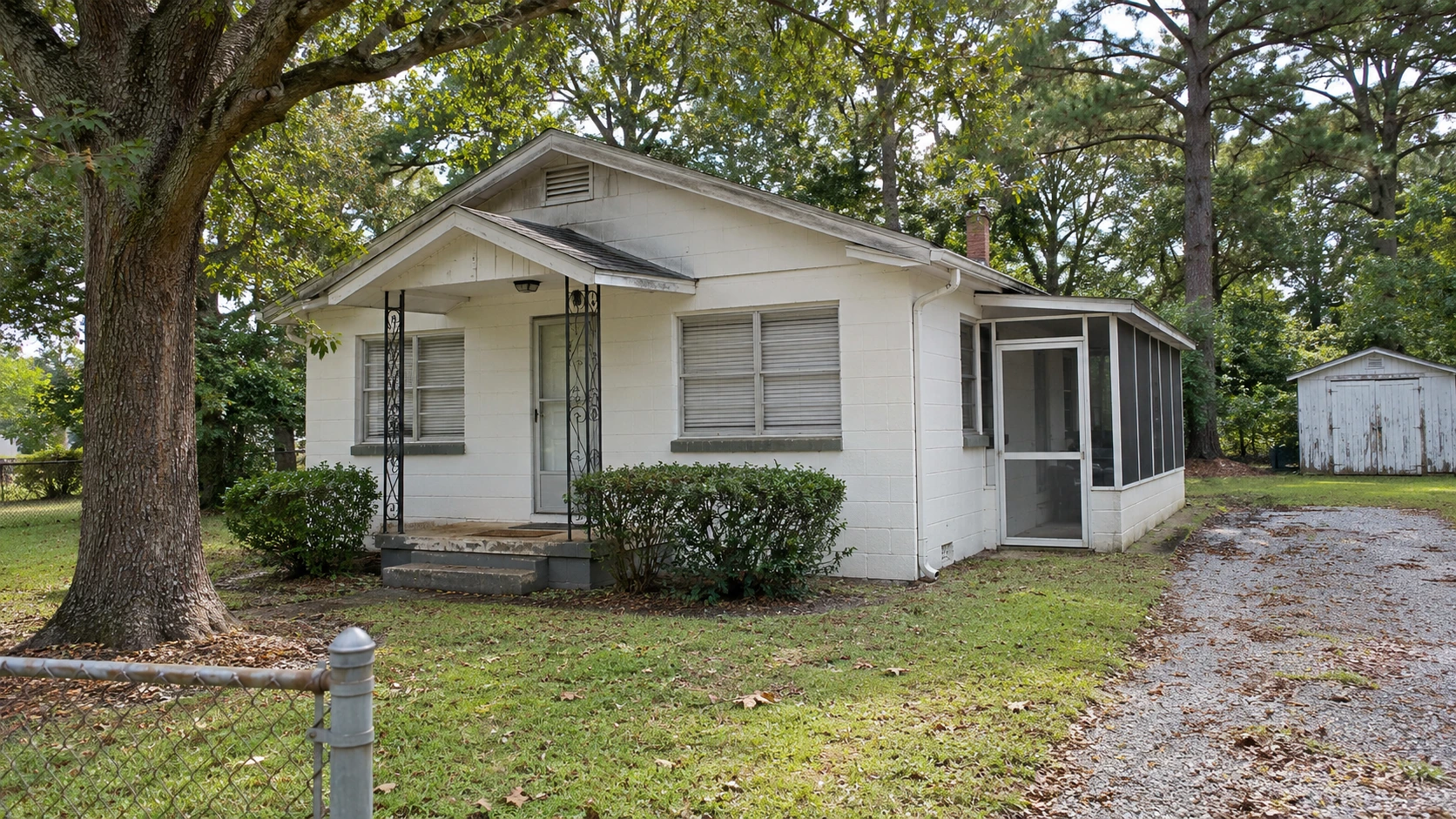
Our Direct Second-Home Sale Process
Step 1
Share the Property Details
Tell us the address, condition, occupancy, ownership, and preferred timing through our property information form or by calling (706) 690-4978.
Step 2
Review the Written Offer
We evaluate the second home and present cash terms for an as-is purchase. Compare the price, preparation, costs, and timing with listing, renting, or continuing to hold.
Step 3
Complete Title and Closing
If accepted, the closing professional checks title, obtains payoff figures, prepares documents, and coordinates signatures and possession with the required parties.
Sell Your Second Home in Augusta and the CSRA
We purchase second homes in Augusta, GA and nearby markets, including North Augusta, SC and Aiken, SC. Request a written offer to compare a direct as-is sale with your other options.